

The NBA trade rumor world is in a constant state of motion, but now even more so. In the recent past, there were two big names whose names are mentioned by insiders as seeming to be out of the board at least in the immediate future, which redefines how the teams will look at the trade market this season.
The Names You Have Been Hearing: Gafford and Randle.
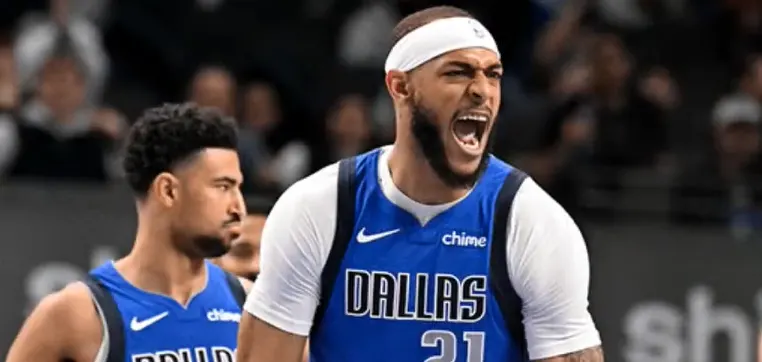
The initial target is Daniel Gafford, the center of the Dallas Mavericks, whose name had been circulating as a trade asset. Dallas allegedly has no plans of selling him, even though other teams have shown interest in him and he has a 3-year, 54 million extension. His dominance in the middle is what holds a team that was still struggling to find balance, and continuing to retain him has become a condition of its own.
The second one is Julius Randle of the Minnesota Timberwolves. He has been the target of constant trade speculation due to his contract and reputation; however, recent reports show that Minnesota perceives him as a component part of the future. Yes, he has signed a 3-year, 100M dollar contract in Minnesota, and he can not be traded until December 15 anyway, but it is now becoming clear that the Timberwolves are not looking to get rid of the guy.
What Makes These Moves Matter More Than You Think?
1. The Trade Market becomes Smaller.
Two frontline names are off the table, and the remaining roster pieces that could be acquired by the teams that seek to upgrade are few. It results in the next-level player facing increased competition, a rise in the cost of the trade packages, and the team has to become creative.
2. Rebuilder Dynamics vs. Contender.
The move to keep these players is strategic in both Dallas and Minnesota. In the case of the Mavericks, retaining Gafford is betting on their present lineup to stabilize instead of selling off. In the case of the Timberwolves, investing in Randle implies that they feel that the core can compete as it currently is and that it does not require a wake-up call.
3. It Matters Who You Are and What You Say.
When, even publicly or privately, a team commits itself to a player in such a manner, it creates a tone. It depicts the locker room, the fans, and the entire league in which they are. It also compels other teams to also turn their heads in case Player A is not available, perhaps Player B becomes Plan A.
My Take: A Change of Direction on the Chessboard.
This is my understanding of it: the trade landscape is changing a little bit unconsciously. Those teams that were hoping to be on the sidelines and strike as others fail could have fewer good targets and more to hide on every strike.
In the case of Gafford and Randle, it is a win. They remain in the plans of their teams, do not have to deal with uncertainty in the halfway season, and can stick to building and not being the target of trade talk. However, time is running out for the rest of the league. There are fewer big names, so it becomes more expensive to make a significant move; teams that are lacking in certainty may end up scrambling.
In brief, the clatter near the trade deadline is not subsiding; it is only becoming smaller, stronger, and more significant. Now you will be watching so that you will not miss the little change that will alter everything.


